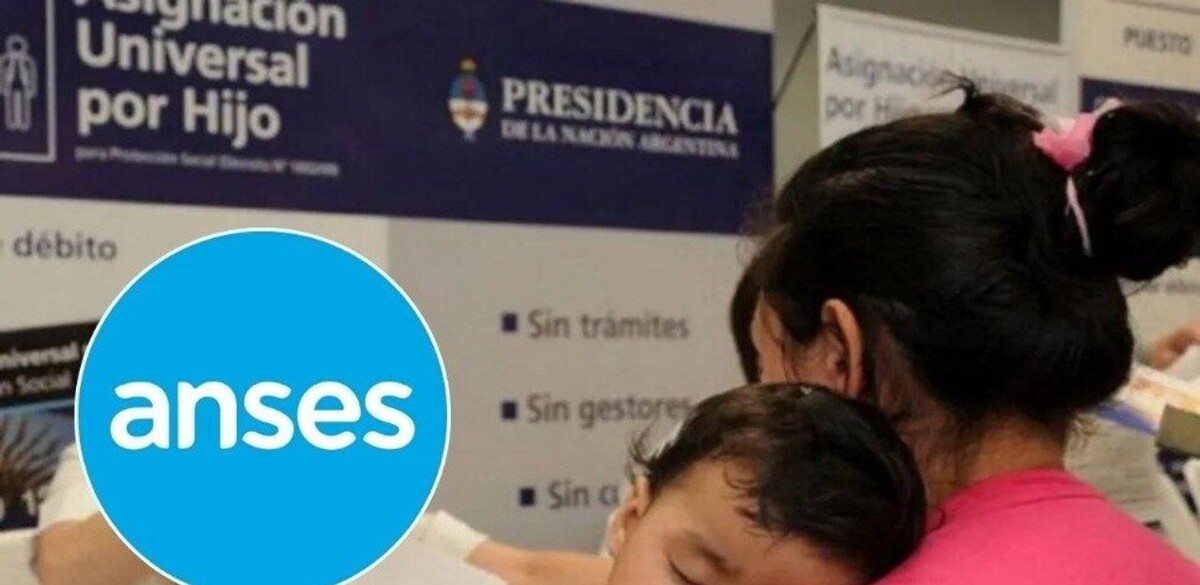
Buenos Aires, February 17 (NA) – January inflation (2.9%) was below the 3.5% rise in the child-rearing basket, which further devalued the amount allocated for the Universal Child Allowance (AUH). Currently, it covers only a quarter of the expenses involved in raising a child. Noticias Argentinas agency reported that during the first month of 2026, the Universal Child Allowance (AUH) remained at 125,518 pesos per child and 408,705 pesos for children with disabilities. Meanwhile, the child-rearing basket for newborns and infants reached 16,052 pesos, increasing from 460,178 to 476,230 pesos between December and January. The annual increase in the basket compared to January 2025 exceeds 21%, according to data from the National Institute of Statistics and Censuses (INDEC). In the breakdown of the child-rearing basket, the cost of goods and services rose by 3.9% monthly, going from 148,236 to 154,079 pesos. Similarly, care costs advanced by 3.3%, from 311,942 to 322,151 pesos. For children aged 1 to 3 years, the monthly increase was also 3.5%, after climbing from 547,913 to 567,124 pesos. Among children aged 4 to 5 years, the increase was higher at 3.6%, after rising from 466,596 to 483,497 pesos. The increase for older children (aged 6 to 12 years) was also 3.6%, although the basket already broke the 600,000-peso threshold, going from 586,627 to 607,848 pesos. Raising a child became more expensive than the general inflation rate. The percentage change in child-rearing costs in the first month of the year exceeded the Consumer Price Index (IPC), which rose for the fifth consecutive month. The January inflation figure (2.9%) was the highest since March 2025 when it reached 3.7%, and it came amid controversy over the failed launch of the new IPC, which did not materialize due to a decision by Economy Minister Luis Caputo. The increase was largely due to a 4.7% jump in food, with significant increases in meat prices. Meanwhile, communication and housing were also above the average (3.6% and 3%, respectively). The National Social Security Administration (Anses) confirmed the payment schedule for the Universal Child Allowance (AUH) for March 2026. The schedule is organized, as usual, according to the end of the National Identity Document (DNI). In March, the automatic payment of the annual school allowance will be made to AUH beneficiaries with children aged 4 to 16. However, the amount of the benefit for 2026 has not yet been confirmed. Next month, the AUH will increase by 2.88%, according to the mobility established by Decree 274/2024. As a result, the amount will be 132,814 pesos. However, Anses retains 20% until the 'Libreta' is presented. Therefore, the direct payment will be 106,251.20 pesos, and the retention will amount to 26,562.80 pesos. In the case of a child with a disability, the value will rise to 432,461 pesos. After the retention, the direct payment will be 345,968.80 pesos, and the retained amount will reach 86,492.20 pesos. The Ministry of Human Capital enabled the payment of 100% of the Universal Child Allowance to families with children up to 5 years old, which will be possible through a data cross-check with the Ministry of Health.